Cement and concrete production form the foundation of construction but they also generate a challenging byproduct known as slurry. A thick mixture of cement, water and fine particles, slurry is created during cutting, coring, grinding or polishing concrete. While it might look harmless, it’s is far from it.
With a highly alkaline pH, concrete slurry can damage surfaces, corrode metals and harm the environment if mishandled. That’s why knowing how to clean slurry off concrete and what to do with concrete slurry safely is essential.
At Slurry Solutions, we specialise in sustainable slurry management systems that make handling this waste easier, safer and fully compliant with environmental regulations.
Concrete slurry is produced when water mixes with fine cement dust and aggregates during surface preparation or concrete cutting.
Its composition depends on the process. Grinding slurry typically contains smaller particles, while coring or sawing slurry may include larger, coarser materials.
The danger lies in the slurry’s high pH and cementitious content, which can seep into soil or waterways, causing significant ecological damage. Even small amounts of slurry discharge can increase alkalinity in natural water systems, disrupting aquatic ecosystems.
Improper disposal of concrete slurry can lead to:
EPA fines and legal issues, as slurry is classified as a controlled waste.
Clogged drainage systems, causing flooding or corrosion.
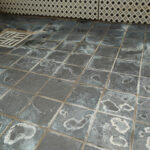
Surface staining and degradation when slurry dries on finished concrete.
Environmental contamination, affecting soil health and local waterways.
For these reasons, effective slurry management is now standard practice in modern cement and concrete operations.
How to Clean Slurry Off Concrete
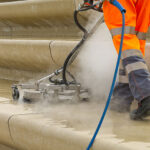
If slurry is left to dry, it hardens like cement making it difficult to remove and potentially causing damage to the underlying surface.
Contain it immediately. You can use rubber squeegees or barriers to stop slurry from spreading.
Vacuum it up while wet. A wet vacuum or slurry vac system prevents residue from setting on the surface.
Avoid rinsing with water. Never hose slurry into drains as this causes contamination and breaches EPA regulations.
Use pH-neutral cleaners if needed. Our SlurrySafe AR is a safe alternative to hydrochloric acid and other commonly used acid treatments without the associated dangers.
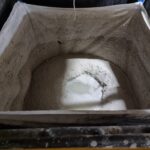
Collect and store. Transfer slurry into sealed containers or a collection tank for treatment.
Proper cleanup not only protects your worksite but also simplifies the treatment process later.
What to Do with Concrete Slurry
Once collected, the next question is what to do with concrete slurry and this is where proper processing makes all the difference.
Slurry Solidification
Solidification is one of the simplest and most efficient disposal methods. By adding a solidifying agent such as a proprietary absorbent polymer or natural bentonite clay you can quickly convert liquid slurry into a dry, non-hazardous solid.
The agent binds with free water molecules, immobilising the slurry’s heavy metals and reducing pH. The solidified material can often be disposed of in standard waste streams.
Slurry Separation Systems
For larger operations, mechanical separation systems offer a more sustainable option.
Common equipment includes:
Filter presses which use pressure to squeeze out clean water from the slurry solids.
Centrifuges which spin the slurry to separate heavier solids from liquids.
The separated water can then be reused for mixing, dust suppression or equipment washing.
pH Neutralisation
Before discharge or reuse, slurry water must be neutralised. The goal is to reduce the pH to between 6 and 9, making it safe for recycling or disposal. Neutralising agents like citric acid, carbon dioxide (CO₂) injection or buffered acidic solutions can bring the slurry within safe limits. Automated pH monitoring systems are ideal for large production sites, ensuring consistent compliance.
For improved treatment efficiency, SlurrySep Flocculant can be incorporated into the neutralisation process. This engineered flocculant not only accelerates pH correction but also lowers the pH of slurry while promoting rapid solid-liquid separation.
By binding fine particles together, it enables faster sedimentation, easier filtration and clearer water for reuse. The result is reduced turbidity, improved compliance and a more streamlined wastewater management process. SlurrySep Flocculant provides a practical, high-performance solution for operations seeking both environmental responsibility and operational efficiency.
Recycling and Reuse
Sustainable operations often integrate slurry treatment into a circular system. Once neutralised and filtered, the clarified water can be reused in:
- Concrete batching or cooling systems
- Sawing and polishing operations
- Dust control on worksites
The dried solid component, if clean enough, can even be used as road base filler or construction backfill material, reducing waste and disposal costs.
Smarter Waste Management
At Slurry Solutions, we help businesses handle slurry the smart way, combining technical innovation with environmental care. Our mission is to inspire an environmentally friendly approach to preparing, etching and cleaning masonry surfaces and managing slurry waste in the construction industry without sacrificing time and safety in the workplace. Our range of high-performance, non-hazardous, biodegradable and multipurpose products will ensure your compliance with the most stringent Australian and global regulations.
Slurry may be a natural byproduct of concrete work, but how you manage it reflects your professionalism and commitment to the environment.
Reach out to us today to see how our environmentally responsible slurry management solutions can help you.