If you regularly work with concrete onsite you’ll be familiar with the mess that requires careful cleanup. However, you might not be aware that there are different types of concrete mess – it could be concrete slurry or it could be hardened cement residue, and each demands a different approach.
What Is Concrete Slurry?
It’s essentially a by-product of wet processes like wet cutting, grinding, drilling or polishing concrete. When water mixes with fine cement particles, sand, and other aggregates, it creates a liquid or semi-liquid mixture and this is slurry.
While it may seem harmless, slurry can cause major problems if not dealt with properly. If it’s left to dry, it can harden into a stubborn layer that’s tough to remove. Even worse, concrete slurry is highly alkaline, which means it can damage tools, stain surfaces and harm the environment if it runs off into stormwater drains.
That’s why it’s essential to incorporate a proper slurry management system to safely break it down and clean it up without damaging surfaces or polluting waterways.
What Is Cement Residue?
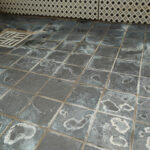
Cement residue is the dusty or powdery material left behind when cement-based products cure or dry. Unlike slurry, cement residue is typically dry rather than wet, and it tends to stick to surfaces like bricks, tiles and stone.
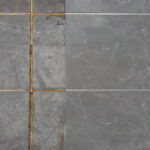
You’ve probably seen cement residue as that greyish film that’s notoriously difficult to scrub off. It doesn’t wash away easily with water and can quickly make a brand-new build look messy and unfinished.
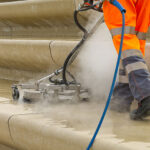
Removing cement residue requires specialised cleaners designed to dissolve the cement particles without damaging the underlying surface. It’s less about breaking down a liquid mix, like with slurry, and more about removing hardened deposits.
Why is it important to know the difference?
Using the wrong removal method can waste time, money and potentially damage your work.
Slurry requires a liquid-focused approach, often with eco-friendly concrete slurry removers that break down the alkaline mix before it hardens.
Cement residue needs targeted cleaners to tackle stubborn, dry build-up without scratching or harming the finished surface.
The Right Tools for the Job
Concrete slurry remover
Designed specifically to handle slurry, these solutions break down and neutralise the mix so it can be safely collected and disposed of. They’re especially useful for contractors using grinders, saws or polishers.
Residue cleaners
Ideal for post-construction clean-up, they target hardened cement dust and films left behind after mortar or grout dries.
At Slurry Solutions Australia, we specialise in products that deal with both slurry and residue in the most effective, environmentally responsible way.
SlurrySafe AR
A safe and complete acid replacement for traditional hydrochloric acid and other commonly used acid treatments.
SlurryDry SSG
A non-hazardous super absorbent used in industry to solidify wastewater such as cement and silt into landfill accepted solids.
SlurrySep Flocculant
A proprietary blend of bentonite clay, polymers and pH reducing acids designed for the treatment of concrete slurry wastewater. It breaks emulsions and absorbs oils, metals and suspended solids out of concrete wastewater.
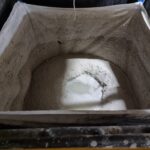
We also offer a range of slurry equipment and dewatering filter bags to create a complete safe disposal system for slurry in concrete operations.
Concrete mess is unavoidable, but the clean-up doesn’t have to be difficult. The key is understanding whether you’re dealing with slurry in concrete or cement residue, then choosing the right solution for the job.
With Slurry Solutions Australia by your side, you can count on expert support and high-performing solutions to tackle both challenges with confidence. Browse our products online now or get in touch with us today to discuss your needs with our friendly team.